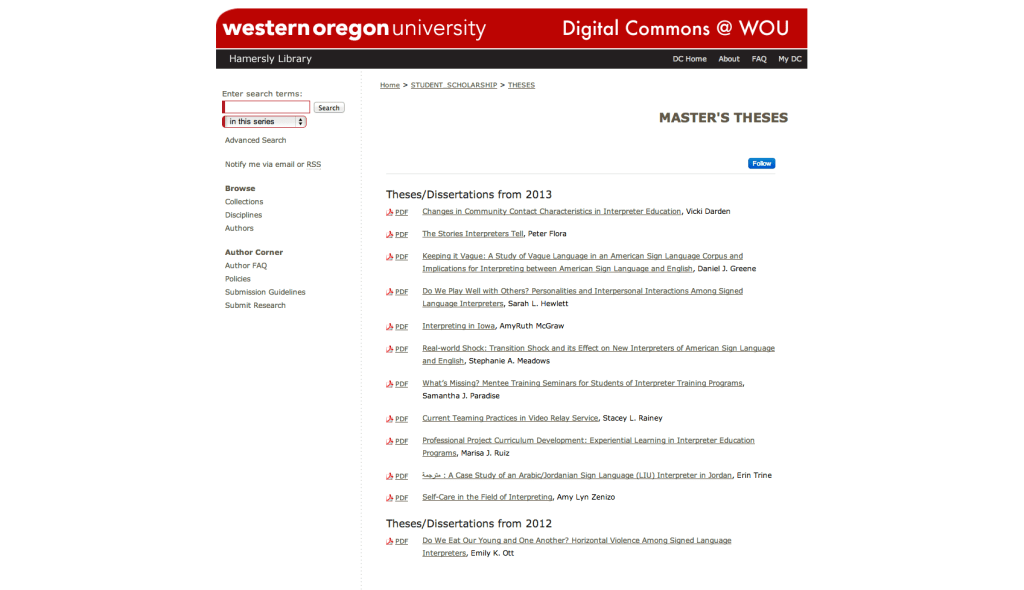
I’m teaching a new vague language training series comprising three three-hour workshops on an evening and the following morning and afternoon. My vague language workshops have been delivered since 2009 in various formats from three to six hours long. Two pieces of feedback I have received more than once are a) that the workshop should span two days and b) that the workshop should allow for more hands-on experience. Next Thursday, July 18, I will teach A Study of Vague Language – Beginning from 6–9pm, and the following day, Friday, July 19, I will teach A Study of Vague Language – Intermediate from 9am–noon and A Study of Vague Language – Advanced from 1–4pm. I designed the series in three parts so that each segment allows more time to explore the concepts involved in interpreting and translating vague language. In addition, since some people by now have attended one of my vague language workshops or read what I have written about vague language, if those people want to skip the beginning workshop, they are free to do so. Personally, I think we will explore the basic concepts of vagueness in life and in language more deeply than ever, so I think all three workshops together make for the best learning experience.
UPDATE: You may take these workshops online using Adobe Connect. Email Amerigo.Berdeski@asdb.az.gov to register.
Vague language curriculum divided into beginning, intermediate, and advanced
Here are the descriptions and learning objectives of the three workshops. I hope this helps potential workshop schedulers and participants understand what the workshops are about, and I hope this helps interpreter trainers understand how I teach interpreting vague language.
A Study of Vague Language – Beginning
Workshop description
Participants will explore the phenomenon of vagueness and the expression of vagueness in language, study vague language (VL) theory, analyze the communicative purposes and social meanings of VL, and consider the variables involved in interpreting and translating VL.
Learning objectives
- Define vagueness and give examples of vagueness in natural phenomena and social life.
- Define vague language (VL).
- Name at least five functions, or communicative purposes, of VL.
- Describe where interpreters and translators confront VL and how they tackle it.
A Study of Vague Language – Intermediate
Workshop description
Participants will explore the forms of vague language (VL) in English and ASL; participants will categorize vague forms into parts of speech and learn how each part of speech fulfills its functions in language; participants will develop a vocabulary of VL in ASL and English.
Learning objectives
- List the parts of speech (POS) vague terms take.
- Provide various vague signs for given parts of speech (e.g., various vague nouns).
- Provide various vague words for given parts of speech (e.g., various vague nouns).
- Demonstrate the use of several vague gestures and vocalizations.
A Study of Vague Language – Advanced
Workshop description
Participants will search written, spoken, and signed texts for vague language (VL); participants will devise and perform translations for vague texts; participants will practice interpreting vague texts both consecutively and simultaneously; participants will analyze vague language in consumer interactions and make ethical decisions using critical thinking, including the NAD-RID Code of Professional Conduct and Demand-Control Schema.
Learning objectives
- List tenets and exemplary behaviors from the NAD-RID CPC that pertain to interpreting vague language (VL).
- Name five ways an interpreter might interpret VL.
- Develop ethical and linguistic strategies for handling VL.
- Create an action plan for further study of VL and practice of interpreting VL.
Related Articles
Introductory vague language workshop for all interpreters, presented in English
33.448377
-112.074037




 Daniel Greene